

For credit unions and lenders, compliance is non-negotiable. But in today’s environment, compliance is doing more than setting guardrails. It is actively shaping how, when, and whether recovery happens.
Multi-state regulations, evolving interpretations, and heightened regulatory scrutiny have changed the operational reality of debt collection. What often gets overlooked is how those compliance decisions quietly affect speed, consistency, and outcomes long before an account reaches charge-off.
Many lenders still think of compliance as something that sits alongside operations. In practice, compliance now dictates operational flow.
Consider what multi-state requirements introduce:
Each rule may make sense in isolation. Collectively, they slow speed-to-contact and reduce flexibility at the exact moment when early engagement matters most.
The result is not non-compliance. The result is friction.
Compliance friction rarely announces itself. It shows up quietly in performance metrics and operational behavior.
Common patterns include:
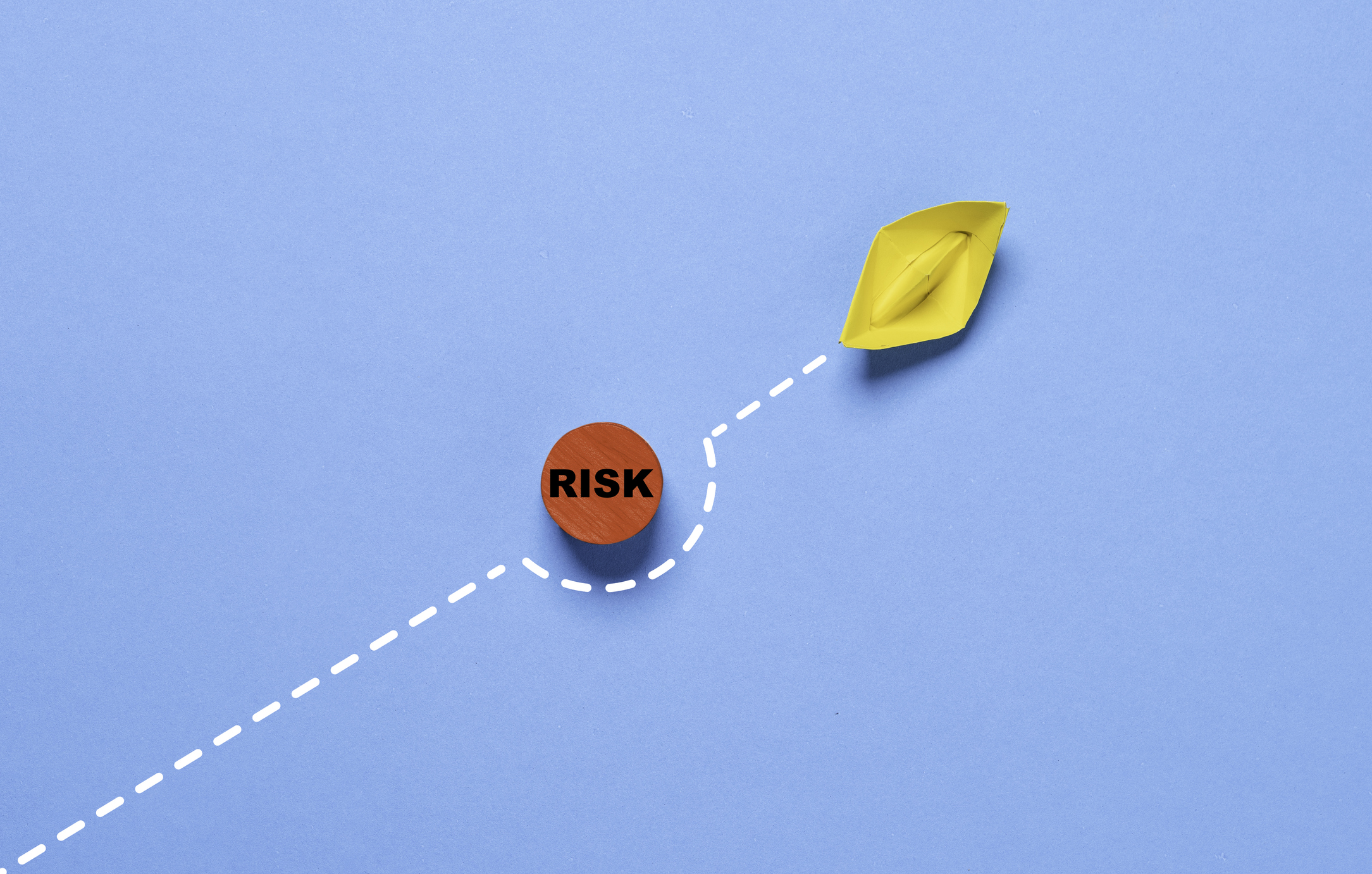
From the outside, this can look like normal portfolio softness. From the inside, it feels like teams are constantly navigating around risk rather than moving through it.
In an effort to avoid regulatory exposure, some organizations respond by slowing everything down.
This creates unintended consequences:
None of this is the result of bad intent. It is the byproduct of compliance decisions that were not designed with operational flow in mind.
The idea of a single national strategy is appealing. It is also increasingly unrealistic.
State-level rules do not just differ on paper. They differ in enforcement focus, complaint trends, and regulator expectations. Treating compliance as a static overlay forces operations into lowest-common-denominator behavior, which reduces effectiveness everywhere.
Strong compliance programs today are dynamic. They account for jurisdictional differences without forcing unnecessary delay or confusion at the point of contact.
The most effective lenders and recovery partners approach compliance as a design problem, not a barrier.
They focus on:
This approach does not reduce risk. It controls it.
By the time an account reaches late-stage delinquency, much of the outcome has already been decided. Early engagement is where leverage exists, and compliance friction is most costly when it slows that window.
Collections teams often see shifts in borrower behavior before portfolio-level indicators change. Delays, channel switching, and reduced responsiveness are early signals. When compliance processes prevent timely engagement, those signals become missed opportunities.
For lenders navigating multi-state compliance, the challenge is rarely knowing the rules. It is designing operations that work within them without losing momentum. In many cases, a closer look at how compliance is built into day-to-day workflows can reveal where friction exists and how it might be reduced without increasing risk.
Compliance will always be required. That is not the debate.
The real question is whether your compliance approach is helping or hindering recovery.
When compliance is designed into operations intentionally, it protects consumers and institutions while preserving momentum. When it is bolted on after the fact, it quietly becomes an operational bottleneck.
At Optio Solutions, we believe compliance and performance are not competing goals. Aligning them starts with treating compliance as part of the operating system, not an afterthought.
About Optio Solutions
Optio Solutions is a nationally licensed accounts receivable management firm. We help businesses recover revenue while protecting brand reputation and customer relationships. Our methods combine professionalism, empathy, and compliance because successful collections and respectful treatment should go hand in hand.

Executive Summary:Lenders aren’t just adopting new technology. They’re reassessing whether their recovery partners are applying it responsibly while protecting compliance, borrower experience, and long-term brand...
Creditors are entering a new phase of the recovery cycle. Account volumes are increasing across the industry, yet collectability is...

Recent industry reporting from Credit & Collection News shows U.S. consumer delinquencies climbing to their highest level in nearly a decade. While...

A strong collections partnership is a long-term relationship between a lender or credit union and a recovery agency that prioritizes...

In early 2026, many consumers may receive larger tax refunds than in previous years, temporarily improving household cash flow. Recent...

Early-stage outreach is proving to be one of the most effective ways to improve recovery outcomes in 2026. When accounts...

For credit unions and lenders, compliance is non-negotiable. But in today’s environment, compliance is doing more than setting guardrails. It...

January is typically when creditors reassess risk, performance, and partners. In 2026, that reassessment carries more weight than usual. Consumer...