
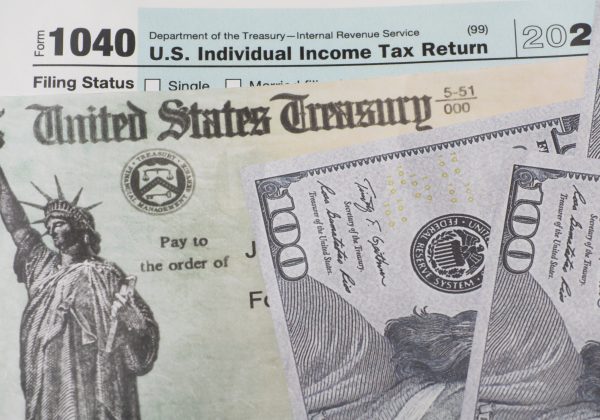

In early 2026, many consumers may receive larger tax refunds than in previous years, temporarily improving household cash flow. Recent analysis suggests this refund cycle could be stronger than normal, putting more discretionary income into consumers’ hands during the first quarter.
While this may support short-term spending, it also has important implications for creditors and lenders managing delinquent accounts. Periods of increased liquidity often influence repayment behavior, creating opportunities that may not last long.
Understanding how and when these shifts occur can make a meaningful difference in recovery performance.
¹According to analysis from Morgan Stanley, individual tax refunds in early 2026 are expected to be significantly higher than last year. Changes to the tax code and adjustments in withholding are projected to increase the amount returned to filers, resulting in a short-term boost to household income.
This influx of funds is expected to appear in national income data as early as March, reflecting a measurable improvement in consumer liquidity during the first quarter.
Historically, these periods of increased cash flow tend to influence how consumers prioritize financial obligations. For many borrowers, tax refunds provide a brief opportunity to address past-due balances, resolve delinquencies, or negotiate settlements.
For creditors, this environment creates a narrow but meaningful opportunity.
Periods of improved liquidity often correlate with higher voluntary repayment rates, particularly on early-stage accounts. When borrowers have temporary access to additional funds, they are more likely to engage in repayment discussions and follow through on payment arrangements.
However, this window is typically short.
As refunds are absorbed into everyday expenses such as housing, utilities, transportation, and medical costs, repayment capacity declines. Once that occurs, delinquent balances often become more difficult and costly to resolve.
Delaying engagement during these periods can mean competing later with essential expenses, new debt obligations, and reduced consumer flexibility.
Recovery performance is not determined by effort alone. Timing plays a critical role.
Engaging borrowers during periods of increased liquidity allows creditors to:
When outreach aligns with real-world financial conditions, recovery strategies become more effective and more sustainable.
This is especially true for early-stage portfolios, where proactive engagement can prevent accounts from progressing deeper into delinquency.
Taking advantage of short-term recovery opportunities requires more than increased outreach volume. It requires precision.
Successful recovery strategies during high-liquidity periods depend on:
Without these foundations, increased activity may generate limited results and unnecessary compliance exposure.
Creditors that combine timing awareness with disciplined operational practices are better positioned to convert temporary liquidity into lasting portfolio improvements.
While tax refund season can provide a near-term boost, sustainable recovery performance depends on systems and strategy that extend beyond any single quarter.
Understanding consumer behavior, monitoring macroeconomic signals, and aligning engagement efforts accordingly allows creditors to remain effective across changing economic conditions.
Early 2026 presents an opportunity. Capturing its value requires preparation, coordination, and disciplined execution.
At Optio Solutions, we work with lenders and creditors to align outreach strategies, analytics, and compliance practices with real-world consumer behavior.
By combining early-stage engagement, data-driven workflows, and rigorous regulatory oversight, we help clients improve recoveries while protecting their reputation and long-term relationships.
If you would like to learn more about how timing, analytics, and compliance can strengthen your recovery strategy, our team is available to support your goals.
¹Source article: U.S. individual tax refunds seen rising 20%, Morgan Stanley says

Executive Summary: Lenders aren’t just adopting new technology. They’re reassessing whether their recovery partners are applying it responsibly while protecting compliance, borrower experience, and long-term...
Creditors are entering a new phase of the recovery cycle. Account volumes are increasing across the industry, yet collectability is...
Recent industry reporting from Credit & Collection News shows U.S. consumer delinquencies climbing to their highest level in nearly a decade. While...

A strong collections partnership is a long-term relationship between a lender or credit union and a recovery agency that prioritizes...

In early 2026, many consumers may receive larger tax refunds than in previous years, temporarily improving household cash flow. Recent...

Early-stage outreach is proving to be one of the most effective ways to improve recovery outcomes in 2026. When accounts...

For credit unions and lenders, compliance is non-negotiable. But in today’s environment, compliance is doing more than setting guardrails. It...

January is typically when creditors reassess risk, performance, and partners. In 2026, that reassessment carries more weight than usual. Consumer...